
In an apartment, especially during the summer months, air conditioning quickly becomes essential for ensuring comfort and well-being. As temperatures rise, having a suitable system is essential not only for cooling the air, but also for improving everyday quality of life. However, choosing an air conditioner is not a decision to be taken lightly: several criteria come into play, such as the surface area to be cooled, the available budget, energy efficiency, and ease of installation.
Criteria for making the right choice: surface area, budget, energy efficiency, installation
Before deciding to purchase an air conditioning system, it is important to carefully assess your needs. The size of your apartment or the a19> rooms to refresh will determine the power required. The budget will influence the type of air conditioner that can be considered, bearing in mind that some systems require a higher initial investment, but can offer better energy efficiency in the long term on a47> the long term. Finally, the ease of installation and the discretion of the system are also key key factors, particularly in apartments where space constraints and regulatory requirements are significant. a65> space constraints and regulatory restrictions may limit certain options.
1. Types of air conditioning for apartments
Mobile (or monobloc) air conditioning
This type of air conditioner comes in the form of a standalone unit that is easily moved from one room to another. It works by sucking in hot air, by cooling it through an internal system, then expelling the cool air into the room.
Advantages:
Great mobility, ideal for those who do not wish to install a fixed system.
Simple installation, without any heavy work or drilling.
Disadvantages:
Generally quite noisy, which can be annoying during prolonged use.
Limited effectiveness on small areas, not well suited for cooling multiple rooms.
Split air conditioning (single split and multi split)
This system consists of an indoor unit that circulates cool air and an outdoor unit that removes heat. a9> removes the heat.
Mono-split: designed for a single room, it is perfect for small spaces or bedrooms.
Multi-split: several units indoor are connected to a a8> single outdoor unit, allowing to air condition several rooms independently.
Advantages:
Excellent performance and energy efficiency.
Operation is quiet with little noise inside.
Disadvantages:
Permanent installation requiring construction work and possible authorization from the condominium association.
Higher cost than mobile systems.
Air conditioning reversible (heat pump)
This system combines air conditioning and heating thanks to an air-to-air heat pump. It allows you to cool in summer and to heat in winter.
Interest:
Offers year-round comfort, making it a worthwhile investment.
Enables energy savings, often certified for its environmental performance.
Air conditioning ductable
This solution consists of an system integrated into the false ceilings or the walls, with hidden ducts that distribute cool air throughout. a16> distribute fresh air throughout all the rooms.
Advantages:
Aesthetic, almost invisible in the apartment.
Very effective for a even cooling effect.
Disadvantages:
Installation is costly and complex, requiring significant work.
Suitable especially for apartments newly built or during major renovations.
Other alternative systems
Fans that cool: work by making air circulate and providing a a9> sensation of coolness, without lowering the actual temperature.
Air conditioning ecological / natural: devices such as the a8> air coolers that use evaporation to reduce the temperature. Less energy-intensive, they represent an environmentally friendly alternative, but with limited efficiency depending on weather conditions.
2. Criteria for choosing an air conditioning system for an apartment
Size and layout of the apartment
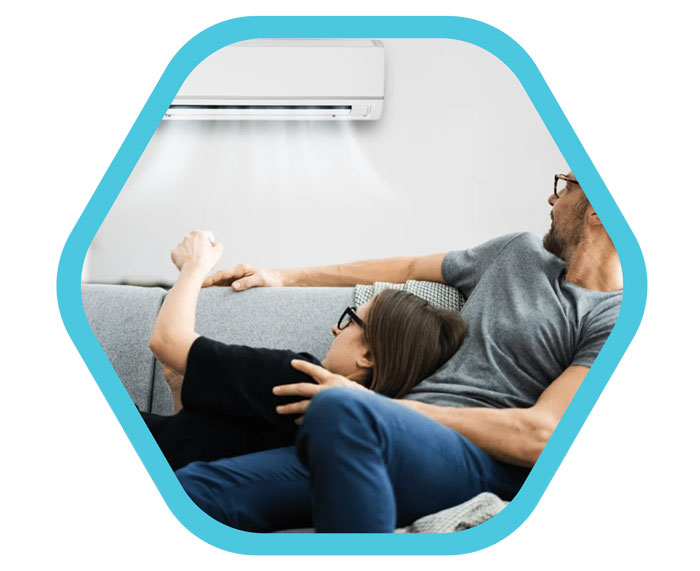
The first criterion for choosing the right air conditioning system is the size of your home. The power of the air conditioner must be adapted to the surface area to be cooled in order to guarantee optimal efficiency. For example, a small apartment or a single room requires less power than a large apartment with several rooms.
In addition, the number of rooms to air condition will influence the choice between a single-split system (for a single room) or a multi-split system (for several rooms). It is therefore important to take into account the layout of your apartment when choosing a system suited to your actual needs.
2.2. Budget
The overall budget includes several aspects:
Purchase price: Mobile systems are generally less expensive to purchase than split or ducted systems.
Installation cost: Some systems require professional installation, which can sometimes be complex and therefore incur additional costs.
Energy consumption and operating costs: it is essential to consider electricity consumption, especially for prolonged use. An air conditioner that is more expensive to purchase, but more efficient and economical, may prove to be more cost-effective in the long run.
2.3. Sound level
In apartments, the noise level of the air conditioner is a crucial factor. Noise can quickly become a source of annoyance for you, but also for your neighbors, especially in apartment buildings. Split systems, with their insulated outdoor unit, are generally quieter than portable air conditioners. It is therefore advisable to choose models with low noise levels to ensure acoustic comfort.
2.4. Aesthetics and space requirements
The design and size of the system are also important, especially in small spaces. Some air conditioners, such as ducted models, are very discreet as they are built into false ceilings or walls. Conversely, portable or split air conditioners can take up space or be visible in the room. The location of the units (indoor and outdoor) must be carefully considered so as not to detract from the overall aesthetics of your apartment.
2.5. Ease of installation and permissions
In a multi-unit building, condominium rules may restrict or regulate the installation of certain systems, particularly those requiring a visible outdoor unit. It is important to check for permits before beginning any work.
Furthermore, some systems are very easy to install, such as portable air conditioners, while others require professional installation, sometimes involving drilling, ductwork, or electrical work.
3. Installation and maintenance
Professional installation or DIY?
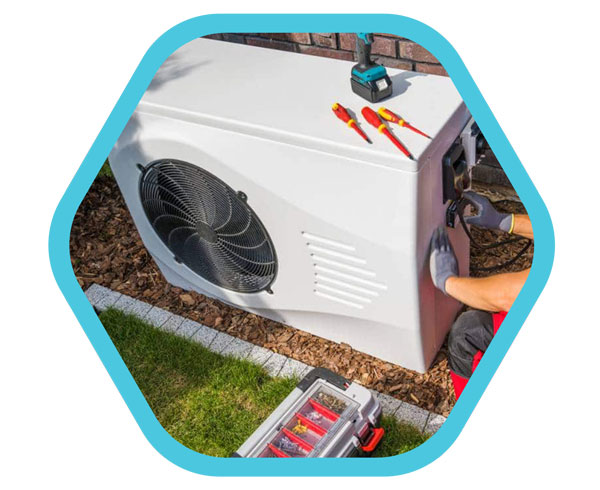
Installing an air conditioning system, especially split or ducted models, requires specific technical skills. Calling on a professional guarantees:
An installation that complies with safety standards.
Optimal operation right from the start.
Coverage under the manufacturer’s warranty.
Installing an air conditioner yourself may seem economical, but it carries significant risks: refrigerant leaks, incorrect connections, system inefficiency, and even property damage. For these reasons, it is advisable to have the installation carried out by a certified specialist.
Regular maintenance
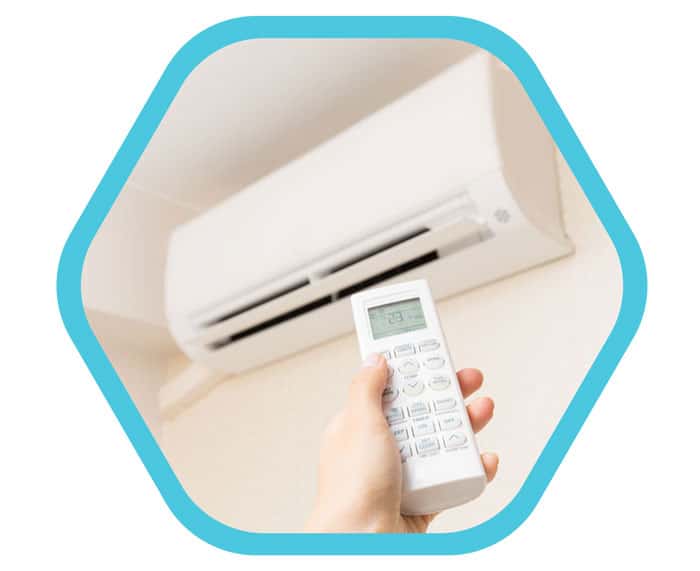
Proper maintenance is essential to ensure the longevity and performance of your air conditioner:
Cleaning the filters: this should be done regularly to prevent dust buildup, which reduces efficiency and can affect air quality.
Checking the refrigerant gas: necessary to detect any leaks and maintain the capacity of cooling.
An air conditioner that is well maintained consumes less energy, works better and lasts longer, which allows you to optimize your investment.
Alternatives or supplements to air conditioning
Thermal insulation
Before even considering installing an air conditioning system, it is essential to optimize the thermal insulation of your apartment. Good insulation limits the loss of cool air and heat, thereby reducing dependence on energy-intensive appliances.
Double-glazed windows: they are an excellent way to limit the exchange of heat between the inside and outside, by keeping the heat outside in summer and the coolness inside.
Thermal shutters and curtains: these protective devices enhance insulation by blocking the sun’s rays and creating a barrier against warm air currents.
Natural and mechanical ventilation
Good air circulation can significantly contribute to thermal a7> thermal comfort without systematically resorting to air conditioning.
Ventilation: open the windows at the coolest times of the day, early in the morning or late in the evening, allows you to renew the air and to lower the temperature inside.
Fans and air coolers: these more economical devices promote a feeling of coolness by accelerating the evaporation of sweat on the skin or simply by circulating the ambient air. Air coolers, which operate by evaporation, provide a slight drop in temperature while consuming little electricity.
Environmentally friendly solutions
Faced with environmental challenges and the desire to reduce its energy consumption, certain innovative and eco-friendly solutions deserve to be considered.
Geothermal heat pumps: They exploit the stable temperature of the ground a9>soil to heat or cool a home. Although they require a significant initial investment, they offer optimal comfort with low energy consumption.
Solar systems: air conditioning or heating systems using solar energy a9> heating systems using solar energy are developing with photovoltaic panels that power the systems. a17> photovoltaic panels that supply part of the power. These solutions make it possible to reduce the carbon footprint and the electricity bills.
Air conditioning adapted to the different rooms of the apartment
Kitchen
The kitchen is a special room when it comes to air conditioning, as it naturally generates heat from cooking. This significant heat is often best managed by specific ventilation, particularly via a high-performance extractor hood, which effectively removes smoke and heat.
Conventional air conditioning is generally less commonly used, although it can be integrated into a reversible multi-split system for overall comfort in the apartment. However, in the kitchen, the priority is often still on appropriate mechanical ventilation rather than cooling.
Living room / lounge
The living room or lounge is the main living area where thermal comfort is essential. It is usually in this room that a split or multi-split air conditioner is installed, with a capacity suited to the surface area and amount of sunlight.
The choice is often based on models models offering a good compromise between performance, low noise pollution, and aesthetic design, so as not to disturb the atmosphere of the location.
Rooms
Bedrooms require particularly quiet air conditioning, as nighttime comfort is essential for restful sleep. Individual split units or multi-split systems are often preferred, as they allow independent control in each room, so that the temperature can be adjusted according to individual needs.
The ability to adjust the device easily is also an important advantage in these a9> spaces.
Dining room
The dining room is often integrated into the living room in modern apartments, which allows for shared air conditioning via a single system.
If the dining room is a separate room, you can opt for light air conditioning a8> light or rely on good natural ventilation depending depending on the frequency and duration of use.
Other spaces (balcony, office, hallway)
Secondary spaces such as balconies, offices, or hallways are often not air-conditioned, because their use does not always require precise control of the temperature.
For these areas, natural ventilation remains the preferred solution, possibly supplemented by mobile solutions, such as fans, to improve comfort. a9> fans, to improve the comfort on an ad hoc basis without heavy investment.
Conclusion
Given the wide range of air conditioning options for apartments, it is essential to be familiar with the characteristics and limitations of each system in order to make an informed choice. From simple portable solutions to fixed installations such as split or ducted systems, each type has its advantages and disadvantages in terms of performance, cost, noise, and aesthetics.
To choose the most suitable solution, you need to carefully assess the size and layout of your apartment, your budget, and your priorities in terms of thermal comfort and noise pollution. In addition, don’t overlook the importance of energy efficiency, which affects both your electricity bill and the environmental impact of your installation.
Finally, don’t hesitate to combine air conditioning with alternatives such as good thermal insulation or natural ventilation in order to find the optimal balance between comfort, cost, and environmental friendliness.
A carefully considered choice and tailored to you will guarantee a a7> pleasant indoor all year round, while controlling your expenses and your energy footprint.
This post is also available in: Dutch French
Frigotech est une entreprise spécialisée dans : la réfrigération industrielle et commerciale, Climatisation et Ventilation. Agréé par Bruxelles environnement
SOS dépannage urgent (7/7j 24/24h)
Lundi-Vendredi: 8:00-19:00
Samedi: 8:00-14:00
Dimanche: fermée
Tous les produits bénéficient d’une garantie de 2 ans. Nous garantissons que nos produits sont conformes à votre commande.


