
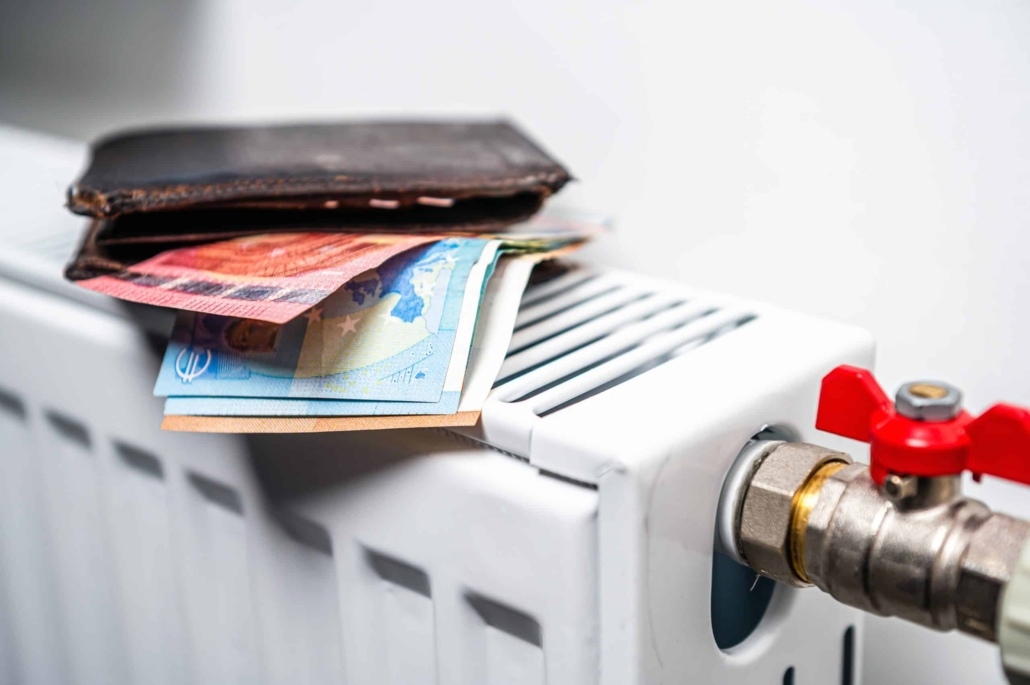
How can you reduce your energy bill with a heat pump?
/0 Comments/in blog /by webdono19The constant rise in energy prices is prompting many Belgian households and businesses to seek more economical and sustainable alternatives. One of the most effective solutions available today is the heat pump. But how exactly does it work, and how can it reduce your energy bill? Here are the explanations of a professional refrigeration engineer.
How does a heat pump work?
A heat pump is an innovative heating system that captures free heat. a9> captures the heat free of charge present naturally in the environment (air, ground, or water) and transfers it to the interior of your home or a24> of your building business. It works a little like a refrigerator… but upside down!
Instead of producing heat by burning fossil fuels (such as gas or oil), the heat pump transfers existing heat from outside to inside. To do this, it uses a closed refrigeration circuit filled with a refrigerant. This fluid has the unique property of easily changing state (liquid ↔ gas) by capturing or releasing heat.
The savings achieved thanks to the heat pump
Investing in a heat pump may seem expensive at first, but the savings in the medium and long term are significant. Unlike traditional heating systems that use gas, oil, or direct electricity, heat pumps offer much higher efficiency. They consume a limited amount of electricity to produce a large amount of heat, which significantly reduces monthly energy bills.
In an average Belgian home, switching from an electric system or an old oil-fired boiler to a high-performance heat pump can reduce heating costs by 40 to 60%. These savings vary, of course, depending on several factors such as the insulation of the building, the quality of the installation, and the type of pump chosen, but they remain significant in most cases. Air-to-water or geothermal heat pumps, for example, offer excellent efficiency, even during Belgian winters.
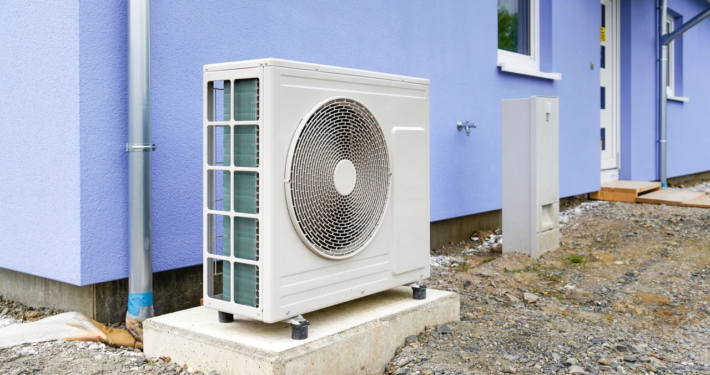
For businesses, the savings can be even more impressive. In the restaurant, hotel, and food distribution sectors, where heating and hot water production account for a significant portion of energy expenses, heat pumps can significantly reduce operating costs. Not only are they a more sustainable solution, but they also offer long-term profitability.
Furthermore, it should not be forgotten that heat pumps can also be used to cool rooms in summer when they are reversible. This means that a single system can cover heating needs in winter and air conditioning needs during hot periods. This dual functionality avoids the need to purchase and maintain two separate systems, representing a significant additional saving.
Finally, the use of heat pumps is often encouraged by regional authorities in Belgium through subsidies and financial incentives. This helps to reduce the initial investment cost while increasing the overall profitability of the project. In short, heat pumps are not only an environmentally friendly solution, they are also a strategic choice for reducing energy costs in the long term, both for individuals and professionals.
Tips for maximizing savings with a heat pump
To fully reap the economic benefits of a heat pump, it is not enough to simply install it. Its efficiency depends largely on the technical choices made beforehand, as well as the environment in which it is integrated. A well-designed installation can make the difference between a modest gain and a real transformation of your energy budget.
The first thing to consider is the type of heat pump best suited to your building. An air-to-air heat pump will be easier to install and often cheaper to buy, but it is mainly suitable for well-insulated homes or premises that are heated occasionally. On the other hand, an air-to-water heat pump, which supplies a network of radiators or underfloor heating, is ideal for replacing a traditional boiler. If your land allows it, geothermal energy (ground-source heat pump) offers exceptional efficiency throughout the year, even at very low temperatures. The right choice will therefore depend on your geographical location, the surface area to be heated, and the thermal performance of your building.
The efficiency of a heat pump also depends on the insulation of the building. It is important to understand that a heat pump is not a magic device: if your home loses heat through the walls, windows, or roof, the system will have to run continuously to compensate for the losses, which will increase its electricity consumption. This is why it is strongly recommended that you carry out an energy audit before installation to identify any improvements that need to be made, such as replacing window frames, insulating the attic, or installing sun protection.
L’utilisation quotidienne de la pompe à chaleur joue elle aussi un rôle clé. L’installation d’un thermostat intelligent ou d’un système de régulation programmable permet d’ajuster la température en fonction de vos horaires de présence, de la météo, ou même à distance via une application mobile. Cela évite les gaspillages d’énergie liés à un chauffage inutile pendant la nuit ou lors d’absences prolongées. De petites optimisations de réglages peuvent se traduire par de grandes économies sur la durée.
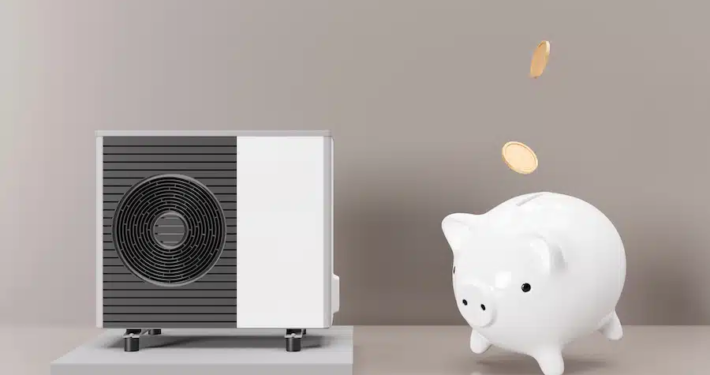
Finally, the importance of regular maintenance of the installation should not be overlooked. Even though heat pumps are known to be reliable, clogged filters, refrigerant leaks, or pressure drops can affect their performance. An annual inspection by a certified technician helps maintain optimal system efficiency, prevent unexpected breakdowns, and extend the life of the equipment.
In summary, to maximize the savings promised by a heat pump, you need to think holistically: proper sizing, adequate insulation, sensible use, and preventive maintenance. When integrated coherently into a home or commercial building, a heat pump becomes much more than just a heating system: it becomes a strategic, intelligent, and sustainable energy investment.
Are you considering installing a heat pump in Belgium?
Our Frigotec/Frigotech team will assist you in choosing, installing, and maintaining your system, based on your needs and budget.
Contact us for a free estimate or energy audit!


Leave a Reply
Want to join the discussion?Feel free to contribute!