
Installing air conditioning in 2025 in an apartment in Brussels: permits, standards, and practical advice
/0 Comments/in blog /by webdono19Installing air conditioning in an apartment in Brussels is an increasingly popular solution for improving comfort during hot summers. However, before taking the plunge, it is essential to fully understand local regulations, applicable standards, and best practices for efficient and environmentally friendly equipment.
Do you need a permit to install air conditioning in Brussels?
Installing air conditioning in an apartment in Brussels does not always come without administrative formalities. Depending on the precise location of the outdoor unit and the nature of the building, it may be necessary to obtain a planning permit. The purpose of this permit is to regulate the aesthetic appearance of buildings and preserve the living environment of residents, particularly in historic neighborhoods or those subject to strict urban planning regulations.
More specifically, if you want to install an air conditioning unit on the visible facade of your building, on a balcony overlooking the street, or on the roof, you will most likely need to submit an official application to the local authorities. This application will then be reviewed by the urban planning department, which will verify that the air conditioning unit complies with local regulations, particularly in terms of visual impact, noise, and safety.
In protected areas, such as listed neighborhoods or areas close to historic monuments, the requirements are even stricter. The authorities seek to limit any changes that could detract from the architectural heritage. In such cases, a permit must always be obtained and is sometimes accompanied by specific recommendations on the choice of device and its positioning.
However, for more discreet installations, such as small units placed inside an enclosed balcony or in an interior courtyard that is not visible from the street, regulations are generally more flexible, and a permit is not always required. Nevertheless, it is always advisable to check with your local authority to avoid any penalties.
In summary, before installing air conditioning in your apartment in Brussels, take the time to find out about local urban planning regulations. Contacting your local urban planning department in advance or consulting the Brussels Urban Planning & Heritage website will enable you to find out whether your project requires a permit and what conditions you need to comply with in order to carry out your installation legally.

Technical standards to be met
When considering installing air conditioning in your apartment in Brussels, it is important to take into account several technical standards that guarantee not only the performance of your device, but also respect for the environment and your neighbors.
Firstly, noise is a key issue. Outdoor air conditioning units can generate significant noise pollution if they do not comply with certain limits. In Brussels, regulations generally stipulate that the noise level of these devices must not exceed a specific threshold, often between 40 and 50 decibels. This restriction aims to prevent air conditioning noise from becoming a source of annoyance for neighbors, particularly in apartment buildings where walls are often shared and proximity accentuates sound repercussions. Choosing a high-performance, quiet model is therefore essential for optimal comfort and good neighborly relations.
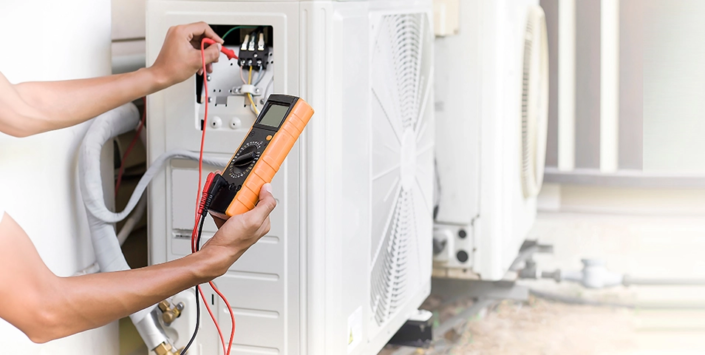
Next, it is essential to choose energy-efficient air conditioning units. European standards recommend the use of systems with a high coefficient of performance, often recognized by energy labels such as A++ or even A+++. These units consume less electricity to produce the same amount of cooling, which translates into lower energy bills and a smaller environmental footprint. An efficient air conditioner therefore allows you to enjoy refreshing comfort while keeping your energy costs under control.
Finally, it is also essential to comply with standards relating to the refrigerant used in air conditioners. This fluid, which is responsible for heat transfer in the system, must comply with European directives aimed at limiting environmental impact, in particular by reducing greenhouse gas emissions. Modern refrigerants are designed to be less harmful to the planet, but their handling requires special precautions, often regulated by law, and must be carried out by a certified professional.
Practical tips for a successful installation
- Choose a certified professional to ensure a compliant and safe air conditioning installation
For a successful air conditioning installation, it is essential to hire a certified professional. A recognized expert not only has the necessary technical skills, but also complies with all applicable safety standards. This ensures a compliant installation, avoiding any risks associated with handling refrigerants or electrical connections. In addition, a certified installer can ensure that manufacturer warranties and any financial assistance are taken care of, securing your investment in the long term. - Position the outdoor unit in a discreet, well-ventilated location where the noise will be as unobtrusive as possible for you and your neighbors.
The location of the outdoor unit when installing air conditioning is crucial. Choose a location where it will be discreet, so as to preserve the aesthetics of your home. At the same time, the unit must be well ventilated to ensure optimal operation without overheating. Finally, it is important to consider limiting noise pollution: installing the unit away from windows, living spaces, or neighboring houses will help avoid conflicts and ensure acoustic comfort for everyone. - Maintain your air conditioner regularly to preserve its efficiency and prevent breakdowns
Regular maintenance is a key aspect of any sustainable air conditioning installation. Periodic cleaning of filters and heat exchangers and checking the refrigerant level help maintain the unit’s optimal performance. This also reduces the risk of unexpected breakdowns that can lead to high repair costs. By scheduling annual maintenance with a professional, you extend the life of your air conditioner while ensuring healthy air and controlled energy consumption. - Consider reversibility: some systems also function as heating in winter, which can be an advantage.
When installing air conditioning, it is worth considering reversible models that offer both cooling in summer and heating in winter. This dual functionality allows you to enjoy thermal comfort throughout the year without having to invest in another heating system. In addition, a reversible unit is often more economical and environmentally friendly because it uses heat pump technology. This makes your air conditioning system a truly versatile system suitable for all seasons.
To ensure that your installation complies with all these standards and to benefit from professional support, please do not hesitate to contact the Frigotech team. Our experts will guide you in choosing the right equipment, take care of any administrative procedures if necessary, and carry out an installation that complies with current regulations, for optimal comfort and peace of mind.


Leave a Reply
Want to join the discussion?Feel free to contribute!