Refrigeration is one of the most crucial elements for restaurants and hotels. Proper food storage not only guarantees the quality and freshness of the products served, but also protects the health of customers and reduces food waste.
The consequences of poor refrigeration can be serious: loss of flavour, product deterioration, or worse, food poisoning. In this guide, we will explore the different professional refrigeration systems, best practices for preserving your food, the standards to be met, and innovations that make life easier for restaurateurs and hoteliers.
The different types of refrigeration systems
Positive cold rooms
Positive cold rooms are essential for storing fruit, vegetables and fresh produce. They generally operate between 0 and +10°C and enable safe and organised storage. Available in different sizes, they are suitable for both small kitchens and large hotels.
Cold storage rooms
Essential for storing meat, fish and ice cream, deep-freeze rooms maintain temperatures between -18 and -25°C. A constant temperature is essential to prevent spoilage and preserve food safety.
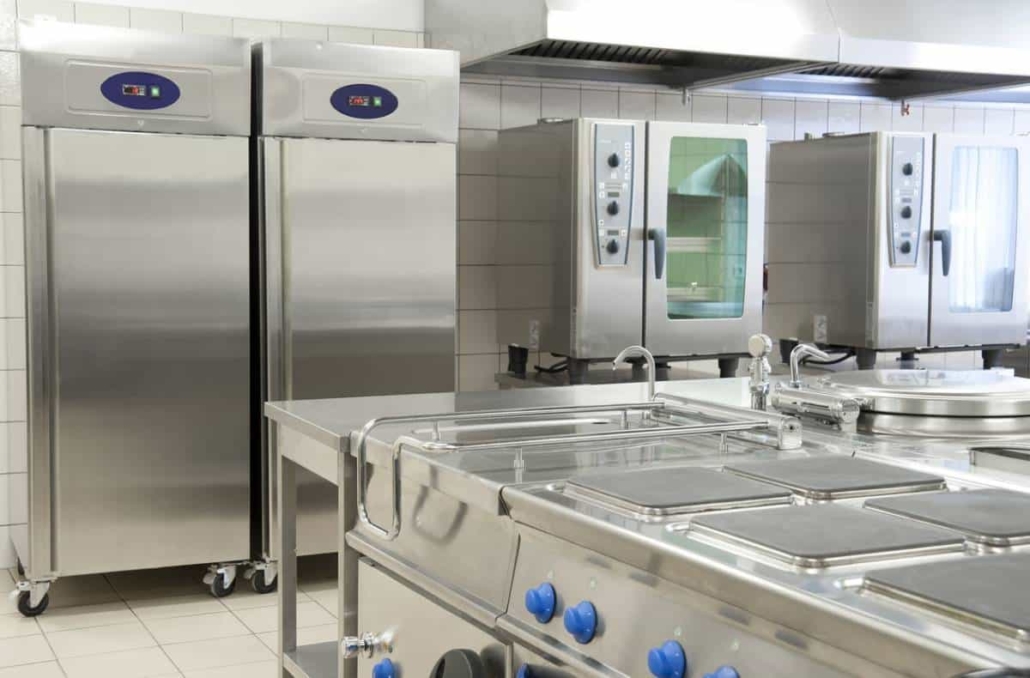
Commercial refrigerators and freezers
This equipment, often built-in or on castors for greater flexibility, is designed for intensive use. Modern models offer advanced features such as digital control, temperature alarms and optimised energy consumption.
Refrigerated display cabinets and buffet displays
For hotels and restaurants that offer buffets, refrigerated display cases are ideal. Not only do they keep food at the right temperature, they also present it in an attractive way for customers.
Best practices for food preservation
Product rotation (FIFO): use the “First In, First Out” method to ensure that the oldest products are used first.
Suitable temperatures: follow the recommended temperatures for each type of food to prevent bacterial growth.
Organisation and separation: use bins and shelves to separate raw foods from ready-to-eat products, thus avoiding cross-contamination.
Regular checks: regularly monitor temperatures and set up alerts to warn of any deviations.
Equipment maintenance and servicing
Regular cleaning: frequently disinfect shelves, joints and walls to prevent contamination.
Technical checks: inspect fans, compressors and seals for wear and tear.
Preventive maintenance: establish a maintenance plan to extend the life of your equipment.
Qualified professionals: certain tasks must be carried out by specialised technicians to ensure the safety and proper functioning of the equipment.
Health regulations and standards
Compliance with HACCP standards is mandatory for all catering and hospitality establishments. This includes:
Store food at appropriate temperatures
Prevent cross-contamination
Maintain accurate records for health inspections.
Failure to comply with these rules may result in severe penalties and seriously damage your establishment’s reputation.
Innovations and technologies in commercial refrigeration
Energy-efficient systems: reduce energy consumption while maintaining optimal preservation.
Smart refrigeration: connected equipment allows remote temperature control and alerts in the event of a problem.
Waste reduction: certain technologies optimise product storage and rotation to limit losses.
Conclusion
Refrigeration in restaurants and hotels is not limited to simply having a fridge or freezer. It is a strategic element in ensuring food quality and safety. By combining the right equipment, rigorous storage practices and regular maintenance, you not only ensure product freshness, but also contribute to customer satisfaction and loyalty.
Investing in high-quality positive and negative cold rooms, high-performance professional refrigerators and modern refrigerated display cases allows you to better organise your stock and prevent food waste. In addition, adopting best practices – such as product rotation, maintaining recommended temperatures and separating foodstuffs – minimises health risks and facilitates the day-to-day management of your establishment.
Finally, complying with HACCP standards and regulations is not only a legal obligation, it is also a guarantee of professionalism and trust for your customers. Integrating technological innovations, such as connected refrigeration and energy-efficient systems, allows you to optimise your operations while reducing costs and environmental impact.
In summary, effective refrigeration is the key to perfect preservation, impeccable service and sustainable management of your restaurant or hotel. It is an essential investment for combining safety, quality and profitability.
https://frigotec.be/wp-content/uploads/2025/09/Refrigeration-pour-restaurants-et-hotels.jpg7901200Stkhalidhttps://frigotec.be/wp-content/uploads/2024/09/Logo-Frigotech-2025-300x205.pngStkhalid2025-09-23 20:31:062025-12-06 12:11:32Refrigeration for restaurants and hotels: a practical guide to perfect food preservation
0replies
Leave a Reply
Want to join the discussion? Feel free to contribute!
Nous utilisons des cookies pour nous assurer que nous vous offrons la meilleure expérience sur notre site Web. Si vous continuez à utiliser ce site, nous supposerons que vous en êtes satisfait.


 Positive or negative cold rooms: what are the differences and which one should...


Leave a Reply
Want to join the discussion?Feel free to contribute!